
Building better franchise partnerships is the smart way quick service restaurant brands are growing; they look for quality over quantity as they scale their networks. It’s about building the right network with the right operators.
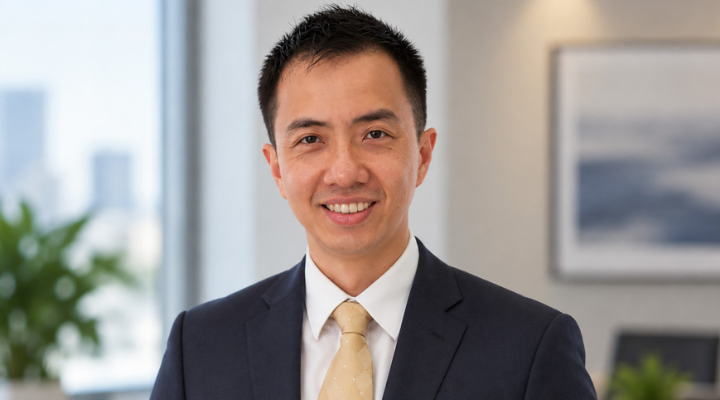
When it comes to matching the right brand to the right franchisee, there’s much more to the matchmaking process than simply checking an applicant’s bank balance, explains Carl Tjandra, the general manager of franchising at multi-brand business, Craveable Brands.
“There’s no criteria of how much money you need to have in the bank, because every store has a different requirement. We have so many restaurants across our brands, that we can cater for different budgets,” he explains.
Craveable Brands has a host of opportunities for keen would-be business owners across its stable of fast food chicken brands: Chargrill Charlie’s, Chicken Treat, Oporto and Red Rooster.
“What’s important is that franchisees have the right personality and drive to build their business. They need a willingness to learn, and of course to follow our brand rules which maintains our premium standards across the network.
“I only have one absolute rule for recruiting franchisees for any one of our brands; they must be owner-operators,” Carl says.
Franchisees are the face of the brand
Carl is clear that doesn’t mean standing for 40 hours cooking chicken, making burgers and serving the customer. Franchisees need to be in and working on the business, being active in their local community.
“It’s about being the face of the business and the brand, not necessarily being in the store all the time,” he explains.
It’s critical that franchisees show long term commitment and are aligned on expectations and ambitions from the outset, Carl says.
So he likes to give franchise candidates as much insight as possible into what the role entails.
After the initial interview, potential franchisees have the opportunity to spend a half day in store.
Being on the frontline is an excellent introduction to the realities of running a chicken QSR restaurant, Carl says.
“We like to equip them with as much as information as possible, there’s no hiding anything – we want to give them the good, the bad and the ugly, so they feel confident going into the business. We find this approach sets them, and the business up, for a more successful future.”
He expects the due diligence process to take up to six months as prospective franchisees speak with existing franchisees of their choice, review the disclosure document, and produce a sales forecast.
Recruiting for capability
A thorough approach delivers better results. The right franchise partner brings more than capital, they bring the capability to build and run a successful business.
That’s why Carl prioritises operational experience, leadership and commercial acumen when assessing potential buyers.
And these priorities make existing restaurant managers with any QSR chain an ideal candidate to own their own chicken chain with Craveable Brands.
“Young store managers might have been working really hard and they’ve got great operational skills. They can’t afford to buy a QSR with the chain they’re in, but in our network we have some stores from $100,000.
“They can come in and bring their professionalism and ambition and turn around an underperforming store. And they build up their equity at the same time,” Carl says.
These savvy franchisees can actively contribute to the growth and success of the brand, and as they prove themselves, take advantage of a clear pathway to multi-unit ownership.
The advantage of a multi-unit operator lies not just in their ability to open more stores, but in their capacity to build management structures, develop people and think strategically about growth.
They look at market development as a whole rather than store by store, and build the people and structures needed to scale without sacrificing customer experience or brand standards.
What Carl is looking for is simple: partners who build the brand, not just their business.
Another location is easy to find. A partner who genuinely grows the brand is something else entirely.