
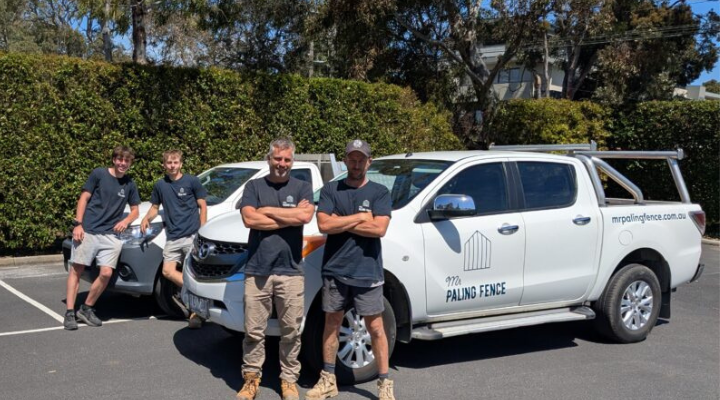
Founder Andrew Liddell reveals what’s behind the niche business that’s targeting builders, project managers and tradies as potential franchisees.
How long has the business been trading?
Mr Paling Fence has been trading as a specialist fencing business since 2019. The franchise system was developed following several years of refining systems, pricing structures and delivery models and is part of a measured and deliberate growth strategy.
What does it cost to buy a franchise?
The total investment is approximately $80,000. Costs may vary depending on the equipment and tools you need and any professional advisory services you require.
Who is a typical customer?
Our typical customers are homeowners, builders and property developers. Future growth is expected through increased exposure to larger-scale projects, including aged care and health facilities, community facilities and new residential estates.
What makes your brand stand out from the competition?
Mr Paling Fence stands out through its tightly defined scopes of work, structured pricing and systems designed to remove uncertainty from projects. Founded by a registered builder, the business uses established subcontractor models and focuses on consistent, repeatable fencing work, with its approach recognised through industry awards.
Why is this a good business for a franchisee to buy into?
Mr Paling Fence offers experienced builders and tradies a simpler, more focused way to run a trade-based business. It avoids the complexity of the broader building industry. By specialising in one high-demand service, the model is designed to support stronger margins, predictable workflows and a commercially sustainable business,. It’s supported by clear pricing, defined scopes of work and established systems.
Which element of franchisee support is the most well received?
Franchisees value the marketing toolkit and supported digital marketing, which provide a strong foundation for local growth. This is supported by comprehensive training and ongoing guidance to help franchisees confidently manage customers and day-to-day operations.
How many hours a week does a franchisee typically work?
Franchisees should expect to work full-time hours managing their local business. As systems are embedded and the operation becomes established, the model is designed to provide greater flexibility in how and when that work is done, while franchisees remain actively involved in day-to-day management.
What drives your growth strategy?
Growth is driven by measured, location-based expansion supported by strong local marketing, repeat business and word-of-mouth referrals.
What are your expansion plans for the next five years?
Over the next five years, the focus is on steady expansion across selected metropolitan and regional east coast markets, building a network of high-performing franchisees supported by strong supplier relationships and disciplined cost control.